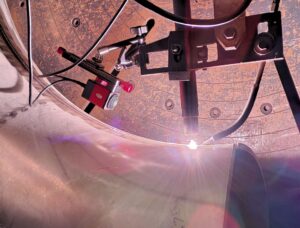
How Weld Monitoring Systems Reduce Defects
Manufacturing defects in welding operations can cost companies millions of dollars annually through rework, scrap, warranty claims, and damaged reputation.

Manufacturing defects in welding operations can cost companies millions of dollars annually through rework, scrap, warranty claims, and damaged reputation.
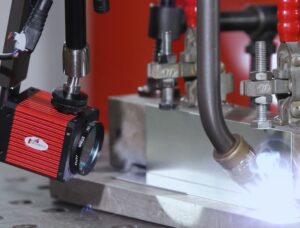
The welding industry is evolving, and with it comes the demand for smarter, safer, and more precise ways to ensure
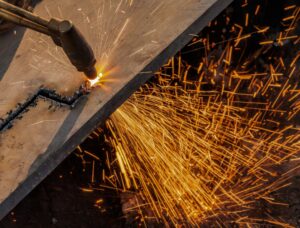
Welding is a skill that demands precision, patience, and attention to detail. Even experienced welders can fall into bad habits
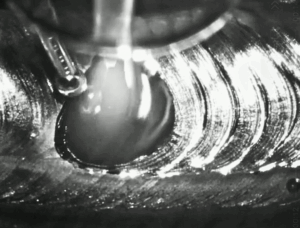
When it comes to fabrication, aluminum and steel are two of the most commonly welded metals—but they couldn’t be more
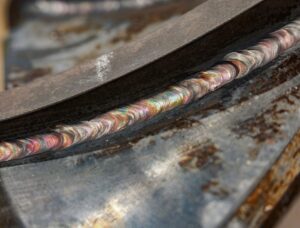
Welding is more than just melting metal—it’s about choosing the right joint type to ensure strength, alignment, and structural integrity.
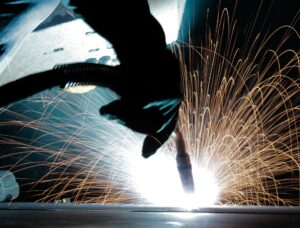
Welding in confined or remote areas presents significant challenges. Welders often find themselves working in spaces that are difficult to
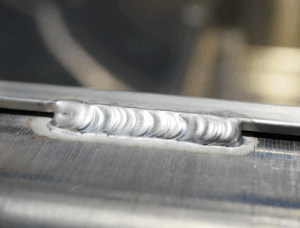
Weld porosity is one of the most common and frustrating weld defects. These tiny gas pockets or voids trapped in
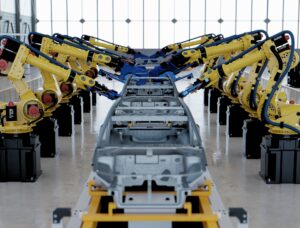
Automotive fabrication demands precision, consistency, and speed—qualities that make MIG welding the go-to method for many auto manufacturers. However, ensuring
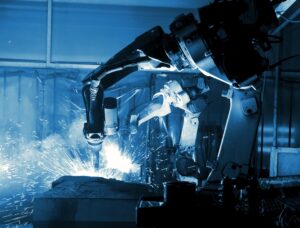
The integration of robotics into welding processes has revolutionized manufacturing, offering significant advantages such as increased precision, speed, and consistency.
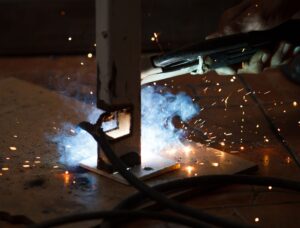
In heavy fabrication, particularly with structural steel welding, achieving precision is critical. Whether you’re working on bridges, skyscrapers, or large-scale